

All Around Comfort Shares Winter Furnace Safety and Prevention Guidance

All Around Comfort Heat & Air serves Cabot and surrounding Central Arkansas communities. (501) 291-7218

An Amana outdoor unit using R-32 refrigerant, installed by All Around Comfort Heat & Air and marked with the company’s service decal
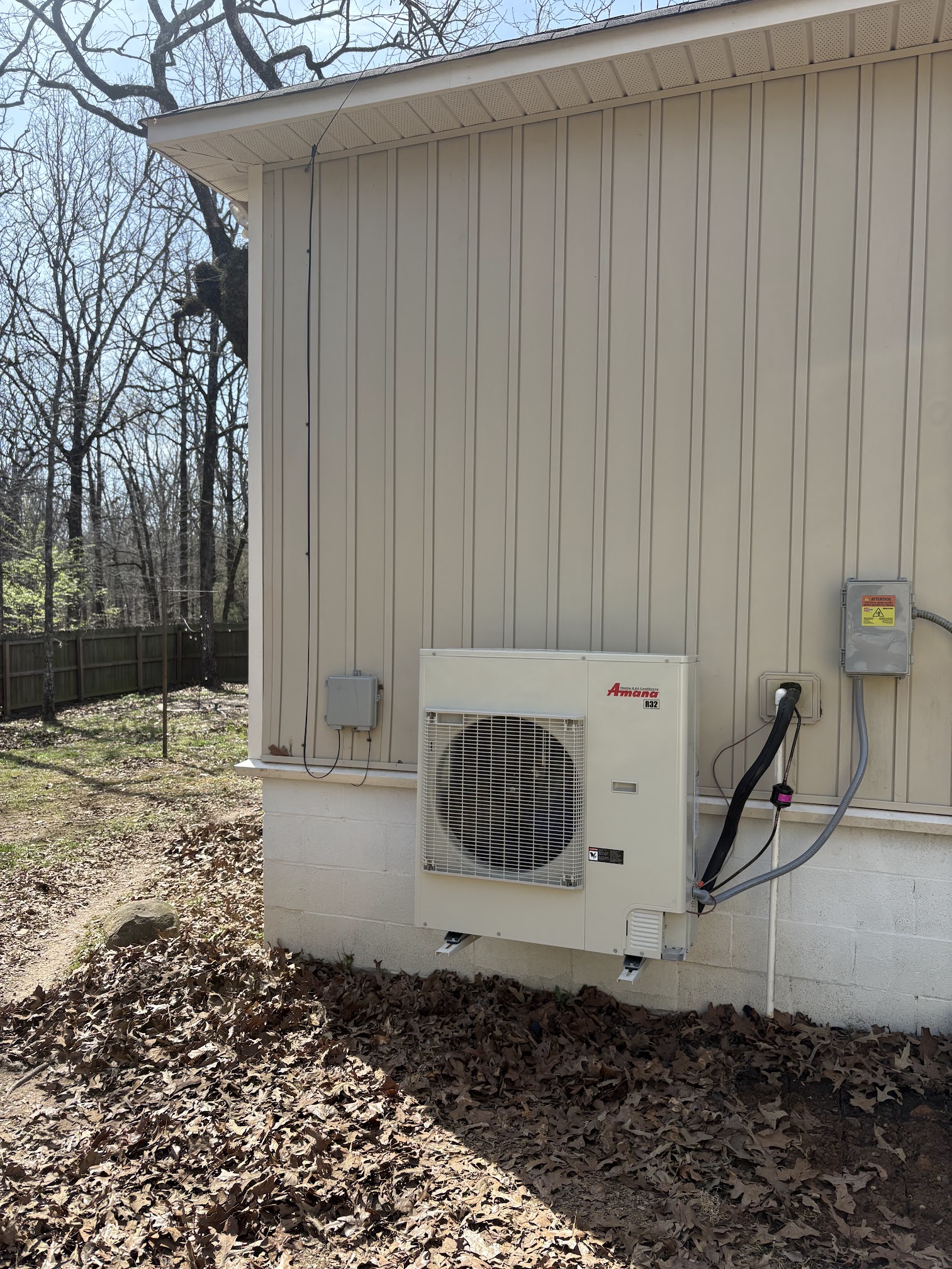
A wall-mounted Amana outdoor unit installed by All Around Comfort Heat & Air beside the home’s electrical service.
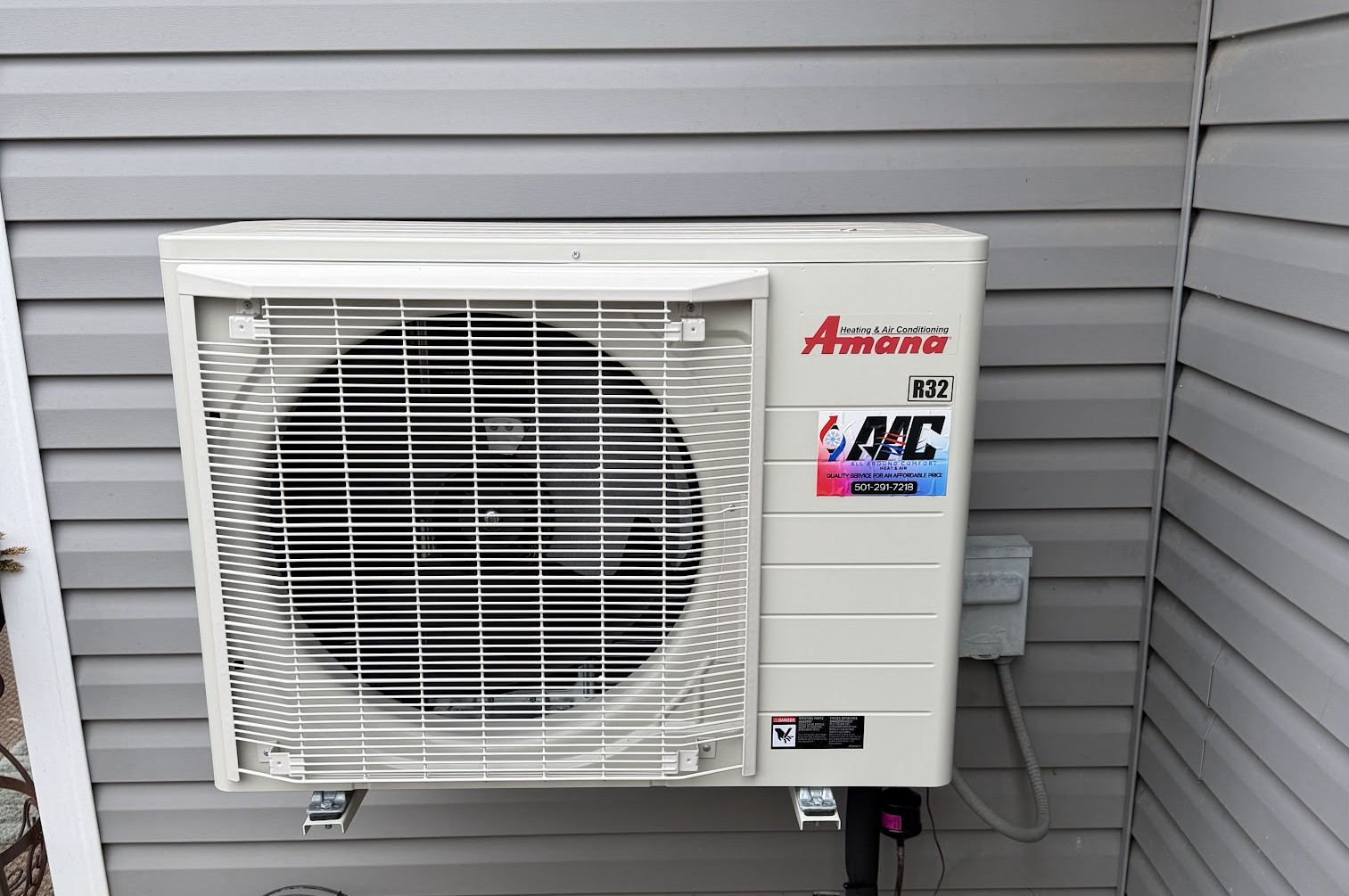
An Amana R-32 outdoor unit mounted on wall brackets above the foundation of a Central Arkansas home, installed by All Around Comfort Heat & Air.
Cabot Amana dealer explains carbon monoxide safety, preventive maintenance, and heat pump energy savings for Central Arkansas homes.
For many households in Cabot and surrounding communities, the first cold night of the season is also the first time the furnace has run in several months. Systems that sat idle through the summer can restart with dust on the burners, worn ignition components, or venting problems that developed during the off-season. Homes also tend to be closed up more tightly in cold weather, which reduces fresh air exchange and gives any combustion gases that escape a heating system fewer ways to leave the living space.
How Carbon Monoxide Becomes a Household Risk
Gas furnaces produce carbon monoxide (CO) as a normal byproduct of combustion. In a properly maintained and vented system, that gas is carried safely outdoors through the flue. Problems arise when something interrupts that path. A cracked heat exchanger, a blocked or disconnected flue, or damaged venting can allow CO to escape into the home instead of leaving it.
The heat exchanger is the component at the center of furnace safety. It is the metal chamber that separates the flame and its exhaust gases from the air circulated through the home’s ductwork. Over years of heating cycles, the metal repeatedly expands and contracts. Because damage to the heat exchanger or venting is rarely visible to a homeowner, those components are a primary focus of a professional furnace inspection.
Carbon monoxide has no color or odor, so occupants may not realize a problem exists without a working CO alarm. The Centers for Disease Control and Prevention (CDC) advises homeowners to have oil and gas furnaces inspected every year and to install battery-operated or battery backup CO detectors near every sleeping area. According to the CDC, carbon monoxide kills hundreds of people in the United States each year and sickens thousands more.
Recognizing the Symptoms
Health officials list headache, dizziness, weakness, nausea, vomiting, chest pain, and confusion among the most common symptoms of carbon monoxide poisoning. Because those symptoms resemble the flu or other common illnesses, CO exposure can be mistaken for something else, particularly during cold and flu season. Symptoms that affect several people in the same home at once, or that improve when people leave the house, can be a sign that CO is involved.
Some people face greater risk than others. According to the CDC, infants, older adults, and people with chronic heart disease, anemia, or breathing problems are more likely to become ill from carbon monoxide, although anyone can be affected.
People who are sleeping or have been drinking alcohol may not notice symptoms before exposure becomes serious, which is one reason CO alarms near sleeping areas are emphasized in safety guidance. Anyone who suspects CO exposure, or whose CO alarm sounds, should get everyone out to fresh air immediately and call for emergency help. Homeowners should not return to the house or restart fuel-burning equipment until the source has been identified and corrected.
Carbon Monoxide Alarms: Placement and Upkeep
A CO alarm is the only practical way for most households to detect the gas. Safety guidance calls for alarms near every sleeping area, and homeowners with multiple levels should consider coverage on each floor. Alarms should be tested regularly using the test button, and batteries should be replaced on the schedule recommended by the manufacturer. CO alarms also have a limited service life; most display a replacement date or will signal when they reach the end of their life, and they should be replaced accordingly.
A working alarm does not replace an inspection. An alarm warns occupants after CO is already present in the home, while an inspection is intended to find the conditions that could allow CO to escape in the first place. The two measures work together.
Carbon Monoxide Risk in Homes Without Gas Heat
Not every home in the Cabot area heats with natural gas or propane. Heat pumps and electric furnaces do not burn fuel, so the heating system itself does not produce carbon monoxide. That does not make a home free of CO risk. Gas water heaters, gas ranges, fireplaces, attached garages, and portable generators can all produce the gas. For that reason, CO alarm guidance applies to most households regardless of how the home is heated. Homeowners who are unsure which of their appliances burn fuel can ask an HVAC technician to identify them during a service visit.
Winter Power Outages and Generator Safety
Winter storms in Arkansas can bring ice and power outages, and outages are a common time for carbon monoxide incidents. The CDC warns against running generators, grills, or other fuel-burning equipment inside a home, basement, or garage, including with doors or windows open. Generators should be operated outdoors and away from windows, doors, and vents that could draw exhaust inside. Gas ovens and stovetops should never be used to heat a home.
Reducing Fire Risk Around Heating Equipment
Furnace safety also includes fire prevention. Furnaces are often installed in closets, garages, attics, or crawl spaces that double as storage areas. Keeping boxes, paint, cleaning products, gasoline, and other combustible materials away from the furnace reduces the risk of a fire. Space heaters should be kept at least three feet from anything that can burn, plugged directly into a wall outlet rather than an extension cord, and turned off when occupants leave the room or go to sleep.
What a Professional Furnace Inspection Examines
According to All Around Comfort, its fall furnace service includes cleaning the heat exchanger and burners, inspecting the flue and venting system, checking the furnace’s safety controls, testing ignition and overall operation, and checking for carbon monoxide. The purpose of the visit is to confirm that the system is operating safely and efficiently before it carries the heating load through the winter.
Furnace service visits vary from one provider to another, and the term “tune-up” does not describe a standard set of tasks. Before scheduling, homeowners can ask whether the visit includes a carbon monoxide check, an inspection of the heat exchanger, an examination of the flue and venting, and a test of the furnace’s safety controls. They can also ask whether the technician will explain findings before recommending any repairs.
Warning Signs That a Furnace Needs Attention
A furnace does not have to stop working to need service. Homeowners should consider scheduling an inspection if a CO alarm sounds, if the system repeatedly fails to ignite, if it turns on and off more frequently than usual, or if heating bills rise without a change in household use. Soot around registers or the furnace cabinet, unusual odors when the system starts, rattling or banging noises, and a burner flame that appears yellow or unsteady rather than blue are also reasons to have the system checked by a qualified technician.
A faint burning smell the first time a furnace runs each season is often caused by dust burning off the heat exchanger and typically fades quickly. An odor that persists, a smell of gas, or any odor accompanied by symptoms of illness should be treated as a safety concern. A suspected gas leak calls for leaving the home and contacting the gas utility or emergency services from outside.
Preventive Steps Homeowners Can Take
Several simple tasks help heating systems run safely and efficiently between professional visits. Replacing the air filter on schedule allows the system to move air properly and reduces strain on the blower; homes with pets, recent renovations, or allergy concerns may need more frequent changes. Keeping supply registers and return grilles clear of furniture, rugs, and curtains helps maintain airflow throughout the house.
Outside, exhaust and intake vents for high-efficiency furnaces should be kept clear of leaves, debris, and ice. Homes with heat pumps should keep the outdoor unit free of fallen leaves, snow, and vegetation so that air can move freely across the coil. Checking that the thermostat switches properly to heating mode, and replacing its batteries if it uses them, can prevent a no-heat call on the first cold night.
Heat Pumps in Cold Weather
Many Central Arkansas homes rely on heat pumps, which move heat from outdoor air into the home during the winter. In cold, damp weather, a light layer of frost on the outdoor coil is normal, and heat pumps periodically run a defrost cycle to clear it. During defrost, homeowners may see steam rising from the outdoor unit or notice the fan stop briefly. A unit that remains heavily encased in ice, runs constantly without keeping up, or relies on backup electric heat far more than usual should be evaluated by a technician.
Heat Pump Efficiency and Energy Savings
Unlike a furnace, a heat pump does not burn fuel or convert electricity directly into heat. It moves heat, drawing it from outdoor air and transferring it indoors in winter, then reversing the process to cool the home in summer. Because it transfers heat rather than generating it, a heat pump can deliver more heating energy than it consumes in electricity. A single system provides both heating and air conditioning, and because it burns no fuel, it does not produce carbon monoxide.
According to the U.S. Department of Energy, heat pumps can easily cut electricity use by 50 percent compared with electric resistance heating, such as electric furnaces and baseboard heaters. For Central Arkansas homeowners who heat with electricity, that difference can have a significant effect on winter utility costs.
Efficiency ratings help homeowners compare systems. SEER2 measures cooling efficiency and HSPF2 measures heating efficiency under the Department of Energy’s current testing procedures, and higher numbers indicate more efficient operation. With long, humid summers and relatively moderate winters, Central Arkansas homes benefit from attention to both ratings.
As an Amana brand dealer, All Around Comfort installs Amana heating and cooling systems, including heat pumps that use R-32 refrigerant, which has a lower global warming potential than the R-410A refrigerant used in many older systems. Amana’s S-Series heat pumps use inverter technology, in which a variable-speed compressor adjusts its output to match the home’s heating or cooling demand instead of cycling fully on and off. According to Amana, its S-Series inverter heat pumps are rated up to 19.0 SEER2 and 8.8 HSPF2, and its S-Series All Climate heat pump is rated up to 21.0 SEER2. Running at lower speeds for longer periods also helps maintain steadier indoor temperatures and supports humidity removal during the summer.
Some homes pair a heat pump with a gas furnace in a dual-fuel arrangement, using the heat pump in milder weather and the furnace when temperatures drop further. In those homes, the furnace still needs the annual combustion safety inspection described above, and the heat pump benefits from the same spring and fall maintenance as any other system.
Why Preventive Maintenance Is a Year-Round Practice
Central Arkansas homes place heavy demands on HVAC equipment in both seasons. Hot, humid summers keep air conditioners and heat pumps running for long stretches, and winter cold does the same for furnaces and heat pumps. That two-season workload is the reason many HVAC professionals recommend two inspections each year: one in the spring for the cooling side of the system and one in the fall for the heating side.
The spring visit typically involves cleaning the outdoor unit and coils, checking refrigerant levels, inspecting electrical connections, and testing cooling performance ahead of summer. The fall visit focuses on combustion safety, venting, safety controls, and heating performance.
Preventive maintenance is intended to identify developing problems while they are still minor and can be scheduled, rather than during the hottest or coldest week of the year when demand for emergency service is highest. Routine service also produces a record of the system’s condition over time. That record helps homeowners make informed decisions when a system ages and a significant repair raises the question of whether to repair or replace the equipment, and many equipment warranties require evidence of regular professional maintenance.
All Around Comfort provides seasonal inspections through its Residential Maintenance Program, which includes a spring air conditioning cleaning and inspection and a fall heater cleaning and inspection each year. Homeowners may also schedule a one-time furnace inspection.
Sizing a Replacement System
When an aging system needs to be replaced, whether with a new furnace, air conditioner, or heat pump, proper sizing is an important part of the decision. All Around Comfort uses Conduit Tech load calculation software, which accounts for square footage, insulation, airflow, and duct design, to size new equipment to the home. Equipment that is too large tends to cycle on and off frequently, while equipment that is too small may run for long stretches and struggle to keep the home comfortable during extreme weather.
Serving Cabot and Surrounding Central Arkansas Communities
From its base in Cabot, All Around Comfort serves homeowners and businesses throughout Lonoke County and Pulaski County, including Cabot, Austin, Beebe, Jacksonville, Lonoke, North Little Rock, Sherwood, and Ward. The company provides heating and air conditioning repair, preventive maintenance, system installation, and 24-hour emergency service.
Homeowners with questions about furnace safety or preventive maintenance can contact All Around Comfort at (501) 291-7218 or visit https://allaroundcomforthvac.com.
About All Around Comfort Heat & Air
All Around Comfort Heat & Air is an HVAC contractor based in Cabot, Arkansas. It provides residential and commercial heating and air conditioning repair, preventive maintenance, new system installation, and HVAC surge protection and voltage monitoring. As an Amana brand dealer, the company installs Amana heat pumps, air conditioners, and furnaces. It is led by Chris Sullivan, who has more than 20 years of experience in the HVAC industry. All Around Comfort serves Lonoke County, Pulaski County, and nearby communities within an approximately 30-mile radius of Cabot, and offers 24-hour emergency service. More information is available at https://allaroundcomforthvac.com.
Chris Sullivan
All Around Comfort Heat & Air
+1 501-291-7218
Visit us on social media:
Facebook
TikTok
All Around Comfort Heat & Air, LLC
Legal Disclaimer:
EIN Presswire provides this news content "as is" without warranty of any kind. We do not accept any responsibility or liability for the accuracy, content, images, videos, licenses, completeness, legality, or reliability of the information contained in this article. If you have any complaints or copyright issues related to this article, kindly contact the author above.
